Maximize Comfort with Fiberglass Insulation
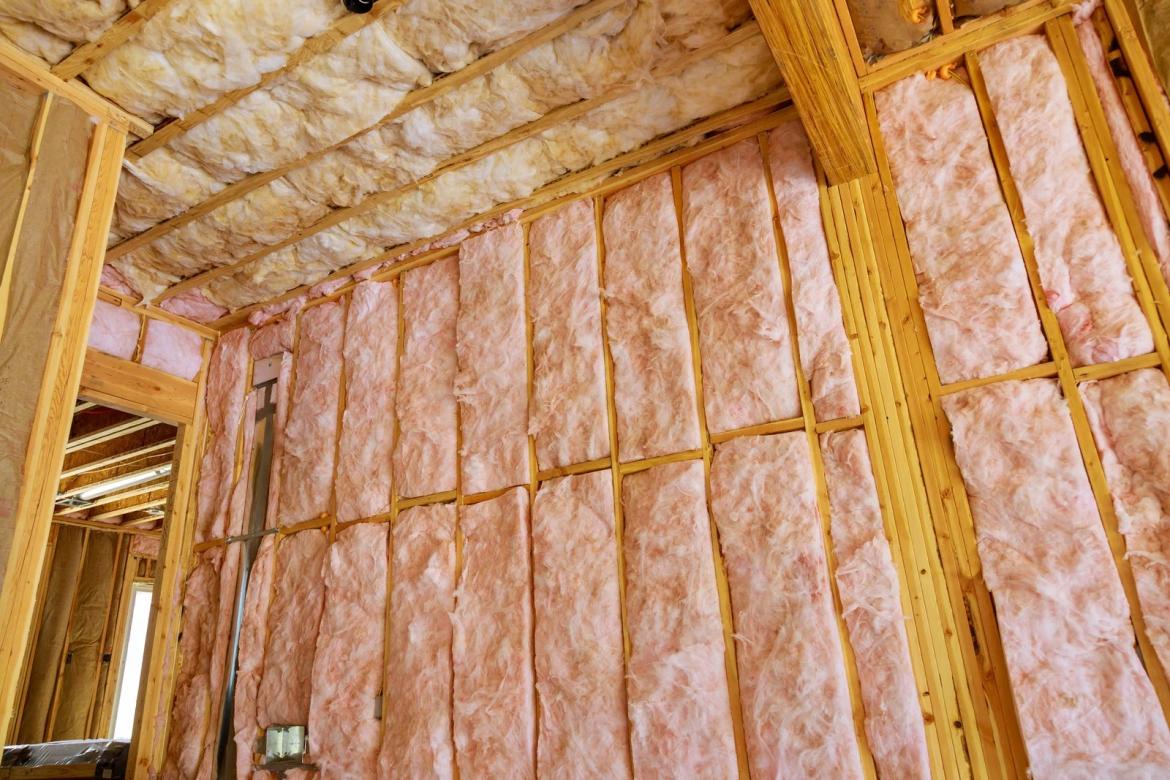
Fiberglass insulation is a crucial component in enhancing energy efficiency and comfort in homes, particularly in the Okanagan region. This comprehensive guide will delve into the various benefits of fiberglass insulation, its compliance with local building codes, and the financial incentives available for homeowners considering upgrades. Many homeowners face challenges with energy costs and maintaining comfortable indoor temperatures throughout the year. Fiberglass insulation offers a solution by effectively regulating temperature and reducing energy consumption. In this article, we will explore the key benefits of fiberglass insulation, its compatibility with the Okanagan climate, installation methods, available rebates, and the pros and cons of using this material.
What Are the Key Benefits of Fiberglass Insulation for Okanagan Homes?
Fiberglass insulation provides several key advantages that make it an ideal choice for homes in the Okanagan.
- Energy Efficiency: Fiberglass insulation significantly improves energy efficiency by reducing heat transfer. This results in lower utility bills, as homes require less energy for heating and cooling.
- Enhanced Comfort: By maintaining consistent indoor temperatures, fiberglass insulation enhances overall home comfort. It minimizes drafts and cold spots, ensuring a more pleasant living environment.
- Moisture and Mold Resistance: Fiberglass is naturally resistant to moisture absorption, which helps prevent mold growth and protects the structural integrity of the home.
These benefits make fiberglass insulation a smart investment for homeowners looking to improve their living conditions while also saving on energy costs.
How Does Fiberglass Insulation Improve Energy Efficiency and Reduce Utility Bills?
Fiberglass insulation achieves energy efficiency through its high R-value, which measures thermal resistance. The higher the R-value, the better the insulation's ability to resist heat flow. In the Okanagan, where temperature fluctuations can be significant, fiberglass insulation helps maintain a stable indoor climate. Homeowners can expect to see a reduction in their utility bills as the insulation minimizes the need for heating and cooling systems to work overtime. For instance, a well-insulated home can save up to 15-20% on energy costs, making fiberglass insulation a financially sound choice.
In What Ways Does Fiberglass Enhance Home Comfort and Temperature Regulation?
Fiberglass insulation plays a vital role in temperature regulation by creating a barrier against external temperature changes. This insulation material effectively eliminates drafts and cold spots, ensuring that every room in the home remains comfortable throughout the year. During the hot summer months, fiberglass insulation helps keep indoor spaces cool, while in winter, it retains heat, providing a cozy environment. This consistent temperature regulation contributes to a more enjoyable living experience for all occupants.
How Does Fiberglass Insulation Meet Okanagan Climate and Building Code Requirements?
Fiberglass insulation is well-suited to meet the specific climate and building code requirements of the Okanagan region.
- Recommended R-Values: The Okanagan's climate necessitates specific R-value recommendations for insulation. For attics, an R-value of approximately 50 is typically recommended, while walls should have an R-value of at least 20. These values ensure optimal energy efficiency and comfort.
- Compliance with Building Codes: Fiberglass insulation complies with the BC Building Code 2022 and the Energy Step Code, which set standards for energy efficiency in new buildings. This compliance ensures that homes are built to withstand the local climate while promoting sustainability.
What Are the Recommended R-Values for Fiberglass Insulation in Okanagan Homes?
In the Okanagan, the recommended R-values for fiberglass insulation vary by application. For attics, an R-value of around 50 is ideal, while walls should have an R-value of 20. These values are designed to provide maximum thermal resistance, ensuring that homes remain energy-efficient and comfortable throughout the year.
How Does Fiberglass Insulation Comply with BC Building Code 2022 and Energy Step Code?
Fiberglass insulation meets the requirements set forth by the BC Building Code 2022 and the Energy Step Code. These codes emphasize energy efficiency and sustainability in building practices. By using fiberglass insulation that adheres to these standards, homeowners can ensure their homes are compliant while also benefiting from reduced energy consumption and improved comfort.
What Are the Different Types and Installation Methods of Fiberglass Insulation in Okanagan?
There are various types of fiberglass insulation available, each with its own installation methods and benefits.
- Batt Fiberglass Insulation: This type comes in pre-cut panels that fit between standard wall studs and joists. It is easy to install and is often used in walls and ceilings.
- Blown-In Fiberglass Insulation: This method involves blowing loose fiberglass into attics and wall cavities. It is ideal for filling irregular spaces and achieving a higher R-value in hard-to-reach areas.
Both types of insulation provide excellent thermal resistance and can significantly enhance a home's energy efficiency.
What Are the Advantages of Batt vs. Blown-In Fiberglass Insulation?
Batt fiberglass insulation is straightforward to install and is often more cost-effective for standard spaces. However, blown-in fiberglass insulation offers superior coverage in irregularly shaped areas and can achieve higher R-values. Homeowners should consider their specific needs and the layout of their homes when choosing between these two options.
Why Is Professional Installation Important for Optimal Performance in Okanagan Homes?
Professional installation of fiberglass insulation is crucial for ensuring optimal performance. Experienced installers can identify potential issues, such as air leaks or moisture problems, that may compromise the insulation's effectiveness. Additionally, proper installation techniques help achieve the recommended R-values, maximizing energy efficiency and comfort in the home.
Which Rebates and Grants Are Available for Fiberglass Insulation Upgrades in Okanagan?
Homeowners in the Okanagan can take advantage of various rebates and grants to offset the costs of fiberglass insulation upgrades.
- CleanBC Rebates: These rebates are available for homeowners who upgrade their insulation to meet energy efficiency standards.
- FortisBC and BC Hydro Programs: Both utility companies offer financial incentives for energy-efficient home improvements, including insulation upgrades.
These programs make it more affordable for homeowners to invest in fiberglass insulation, enhancing their homes' energy efficiency.
What Are the Eligibility Criteria for CleanBC, FortisBC, and BC Hydro Rebates?
To qualify for CleanBC, FortisBC, and BC Hydro rebates, homeowners must meet specific eligibility criteria, including having a home that meets certain energy efficiency standards and completing approved upgrades. It is essential to check the latest guidelines and application processes to ensure compliance and maximize potential savings.
How Can Homeowners Apply for Insulation Rebates and What Is the Status of the Canada Greener Homes Grant?
Homeowners can apply for insulation rebates through the respective utility companies' websites or by contacting us. The Canada Greener Homes Grant is also available, providing additional financial support for energy-efficient upgrades. Homeowners should stay informed about the current status of these programs, as funding and eligibility criteria may change.
What Are the Pros and Cons of Using Fiberglass Insulation in the Okanagan Climate?
Fiberglass insulation has several advantages and disadvantages that homeowners should consider.
- Durability: Fiberglass insulation is highly durable and can last for decades without losing its effectiveness.
- Fire Resistance: It is non-combustible, providing an added layer of safety for homes.
- Mold Prevention: Fiberglass does not absorb moisture, reducing the risk of mold growth.
However, there are potential drawbacks to consider, such as the need for professional installation and the potential for irritation during installation.
What Are the Durability, Fire Resistance, and Mold Prevention Benefits?
Fiberglass insulation is known for its durability, often lasting over 30 years when properly installed. Its fire-resistant properties make it a safe choice for homeowners, as it does not contribute to the spread of flames. Additionally, its moisture-resistant nature helps prevent mold growth, ensuring a healthier indoor environment.
Are There Any Potential Drawbacks or Considerations for Okanagan Homes?
While fiberglass insulation offers numerous benefits, there are some considerations to keep in mind. Homeowners may experience irritation from fiberglass particles during installation, necessitating protective gear. Additionally, improper installation can lead to reduced effectiveness, making professional installation essential.
How Does Fiberglass Insulation Contribute to Eco-Friendly and Sustainable Home Improvements?
Fiberglass insulation is an eco-friendly choice for homeowners looking to improve their homes sustainably.
- Recycled Content: Many fiberglass insulation products contain recycled glass, reducing waste and promoting sustainability.
- Energy Efficiency: By improving a home's energy efficiency, fiberglass insulation contributes to lower greenhouse gas emissions.
These factors make fiberglass insulation a responsible choice for environmentally conscious homeowners.
What Is the Role of Recycled Content and Formaldehyde-Free Materials?
The use of recycled content in fiberglass insulation helps reduce the demand for new raw materials, promoting sustainability. Additionally, many manufacturers offer formaldehyde-free options, ensuring that the insulation is safe for indoor air quality and reducing potential health risks.
How Does Fiberglass Insulation Support Long-Term Environmental Responsibility?
By enhancing energy efficiency and utilizing recycled materials, fiberglass insulation supports long-term environmental responsibility. Homeowners can reduce their carbon footprint while enjoying the benefits of a comfortable and energy-efficient home. This commitment to sustainability aligns with broader efforts to combat climate change and promote eco-friendly building practices.
| Benefit | Description | Impact Level |
|---|---|---|
Energy Efficiency |
Reduces heat transfer, lowering utility bills |
High |
Comfort |
Maintains consistent indoor temperatures |
High |
Moisture Resistance |
Prevents mold growth and structural damage |
Medium |
| Type of Insulation | Installation Method | R-Value |
|---|---|---|
Batt Fiberglass |
Installed in batts between studs |
3.1 to 4.3 per inch (typically total R-20 to R-50 depending on thickness) |
Blown-In Fiberglass |
Blown into attics and walls |
2.2 to 2.7 per inch (typically total R-30 to R-60 depending on depth) |
Ready to Upgrade Your Home's Comfort and Efficiency?
Don't let another season pass with high energy bills and inconsistent temperatures. Okanagan Insulation is your trusted local expert for professional fiberglass insulation installation, ensuring your home is comfortable, energy-efficient, and compliant with all local codes.