Spray Foam Radon Barriers: Effective Radon Protection For Your Kelowna Home
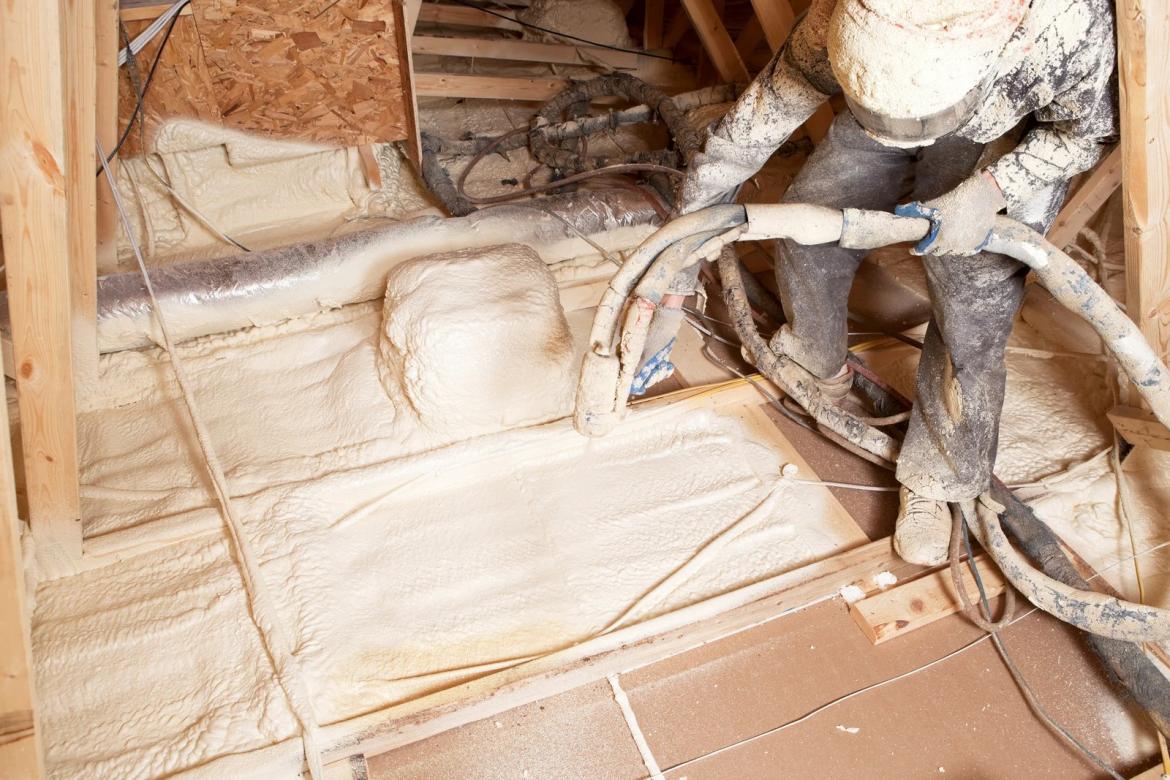
Radon is an invisible, odorless gas that can enter homes and increase the risk of lung cancer. Protecting your family starts with understanding how radon gets in and which solutions work best. This guide looks at closed-cell spray foam as a modern radon barrier, how it blocks entry points, improves home comfort, and can lower energy bills. We’ll also cover the installation process, typical costs, and why local homeowners choose Okanagan Insulation Services for reliable radon barriers.
Why closed-cell spray foam is a strong choice for radon mitigation
Closed-cell spray foam creates a continuous, durable seal that fills gaps and cracks where radon commonly enters. Because it expands on contact and adheres to concrete and other materials, it reduces the pathways radon uses to move from soil into living spaces. As an added benefit, its insulation value helps stabilize indoor temperatures, which can cut heating and cooling costs over time.
How closed-cell spray foam seals radon entry points
The foam expands into even small crevices around pipes, conduits and foundation cracks, forming a tight seal that blocks soil gas movement. Its adhesive and rigid characteristics make it less likely to shrink or separate than some other barrier materials. For a dependable result, professional application matters, trained technicians identify problem areas and ensure full coverage so the barrier performs as intended.
Insulation and energy benefits of closed-cell spray foam
Closed-cell foam delivers a high R-value, roughly R‑6 to R‑7 per inch, which improves thermal resistance and reduces drafts. That means more consistent indoor temperatures and lower energy use for heating and cooling. The result is greater comfort and potential savings on utility bills, alongside the radon-protection benefits.
How spray foam stacks up against other radon barrier materials
Compared with traditional materials like polyethylene sheeting, spray foam offers a more permanent, adherent seal. Sheeting can be effective when installed perfectly, but it’s vulnerable to tears, gaps and movement over time. Spray foam bonds directly to the substrate and creates a seamless barrier that resists damage and movement.
Benefits of spray foam over polyethylene sheeting
Spray foam’s seamless application and strong adhesion reduce the chance of future leaks that let radon in. Where sheeting relies on tapes, seams and membranes, foam becomes one continuous layer, less maintenance, fewer weak points, and longer-lasting protection for your home.
How spray foam contributes to long-term home safety
By limiting radon entry, spray foam lowers long-term exposure risk, an important step for household health. When installed correctly, it gives homeowners added confidence that their living spaces are better protected against this hidden hazard.
Why homeowners in the Okanagan choose Okanagan Insulation Services
Choosing the right installer is key to effective radon mitigation.
Our qualifications and industry memberships
Okanagan Insulation Services brings certified technicians and years of local experience to every job. We’re proud members of industry groups like the Canadian Home Builders Association (CHBA) and the Southern Interior Construction Association (SICA), and we follow best practices for safety and quality.
Common questions about spray foam radon barriers
Below are answers to the most frequent questions we hear from homeowners considering this approach.
Is spray foam alone enough to prevent radon gas infiltration?
Spray foam is a powerful sealing tool, but it’s one part of a complete radon strategy, other tools like venting are still required to effectively reduce radon levels within the home. Regular radon testing is important after installation. In some homes, additional measures such as active soil depressurization may still be required to reach safe levels.
How long will a spray foam radon barrier last?
When properly installed, closed-cell spray foam can last for many years and often outlasts more traditional barrier materials. Periodic inspections and testing help ensure the barrier continues to perform as expected.
Frequently Asked Questions
What are the health risks associated with radon exposure?
Radon exposure is linked primarily to lung cancer and is the second leading cause after smoking. Long-term exposure to elevated radon levels increases risk, so testing and mitigation are the best ways to protect your household.
Can spray foam insulation be used in all types of homes?
Yes, spray foam can be applied in new builds and existing homes, in basements and crawl spaces. We assess each home to determine the best approach and ensure application is appropriate for the structure and conditions.
How does humidity affect the performance of spray foam insulation?
High humidity during application can affect curing and adhesion. Installers monitor environmental conditions and schedule work when conditions support proper curing to ensure a secure bond and lasting performance.
What maintenance is required for spray foam radon barriers?
Maintenance is minimal. Periodic visual checks and routine radon testing are recommended to confirm continued performance. If you notice damage or unexpected test results, contact a professional for an inspection and any necessary repairs.
What should homeowners do if they find high radon levels after installation?
If testing shows elevated radon after installation, contact a mitigation specialist to inspect the seal and identify any gaps. Additional measures, such as active soil depressurization, can be installed to lower levels and restore a safe indoor environment.
Conclusion
Closed-cell spray foam is an effective way to reduce radon entry while improving insulation and comfort. When installed by experienced local professionals, it delivers durable protection and energy benefits. If you’re concerned about radon in your Kelowna home, Okanagan Insulation Services offers site assessments, professional installation and follow-up testing, contact us to learn how we can help protect your home.