Common Insulation Mistakes Homeowners Make: How to Identify and Avoid Installation Errors
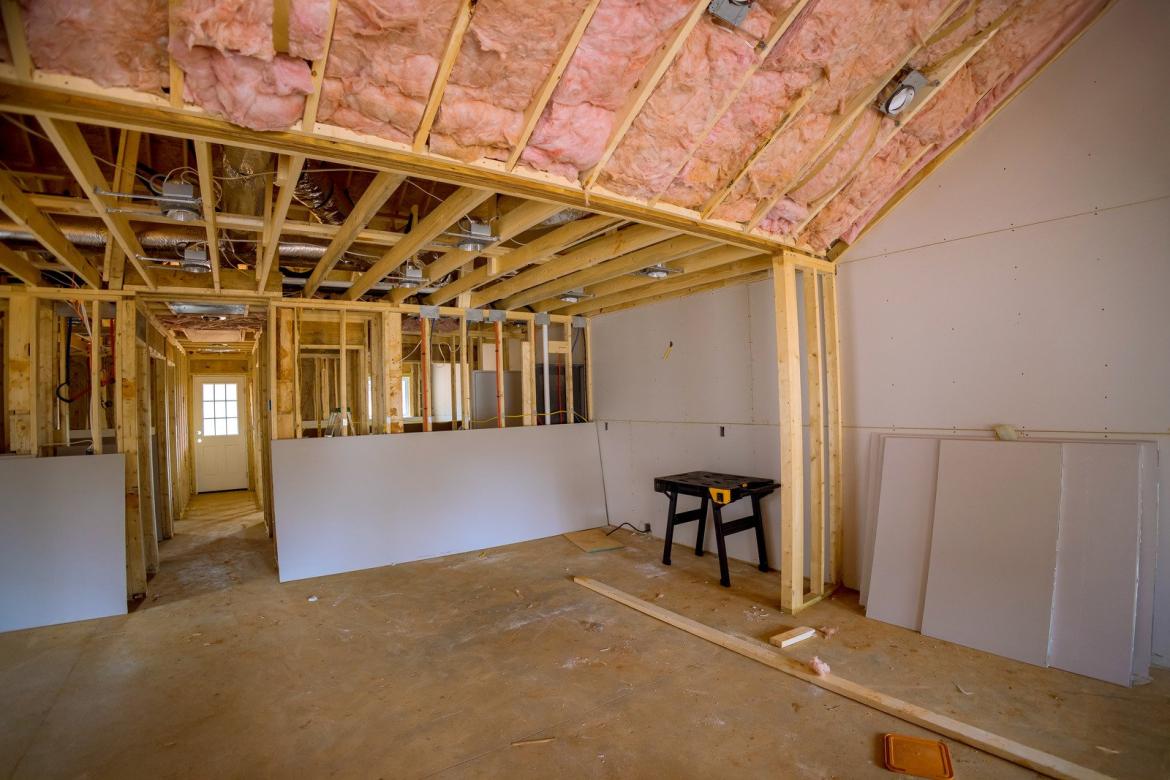
Insulation plays a crucial role in maintaining a comfortable home environment and enhancing energy efficiency. However, many homeowners unknowingly make common insulation mistakes that can lead to significant energy loss and increased utility bills. This article will explore the most frequent insulation installation errors, their impact on energy efficiency, and how to avoid them. By understanding these pitfalls, homeowners can ensure their insulation is installed correctly, maximizing its benefits. We will cover topics such as the relationship between improper installation and air leaks, the types of insulation materials prone to mistakes, and best practices for effective insulation installation.
What Are the Most Frequent Insulation Installation Errors?
Identifying common insulation installation errors is essential for homeowners looking to improve their home's energy efficiency. Many mistakes occur during the installation process, leading to air leaks and inadequate thermal performance. Common errors include improper sealing of joints, insufficient insulation thickness, and neglecting to insulate critical areas such as attics and basements. These mistakes can significantly reduce the effectiveness of insulation, resulting in higher energy costs and discomfort in the home.
How Does Improper Installation Cause Air Leaks and Energy Loss?
Improper installation can lead to air leaks, which occur when conditioned air escapes from the home through gaps and cracks in the building envelope, not just the insulation. These leaks can cause a significant increase in energy loss, as heating and cooling systems must work harder to maintain the desired temperature. For instance, studies show that air leaks can account for about 25% to 40% of a home's heating and cooling energy use. By ensuring proper installation techniques and air sealing, homeowners can minimize air leaks and enhance their home's energy efficiency.
Which Insulation Materials Are Most Prone to Mistakes?
Certain insulation materials are more susceptible to installation errors than others. For example, fiberglass insulation can be easily compressed or improperly installed, reducing its effectiveness. Spray foam insulation, while effective, requires careful application to avoid gaps and uneven coverage. Homeowners should be aware of these vulnerabilities and take extra care when selecting and installing insulation materials.
How Do Insulation Mistakes Affect Home Energy Efficiency?
Insulation mistakes can have a profound impact on a home's energy efficiency. When insulation is not installed correctly, it can lead to increased energy consumption and higher utility bills. Understanding the role of insulation in energy efficiency is crucial for homeowners looking to reduce their environmental footprint and save money.
What Is the Role of R-Value in Preventing Energy Waste?
R-value measures the thermal resistance of insulation materials, indicating their effectiveness in preventing heat transfer. A higher R-value means better insulation performance, which is essential for energy efficiency. For example, in colder climates, homeowners should aim for insulation with a higher R-value to minimize heat loss during winter months. Properly installed insulation with the appropriate R-value can significantly reduce energy waste and lower heating and cooling costs.
How Do Air Leaks and Gaps Increase Heating and Cooling Costs?
Air leaks and gaps in the building envelope can lead to substantial increases in heating and cooling costs. When conditioned air escapes through these leaks, HVAC systems must work harder to maintain the desired temperature, resulting in higher energy bills. Homeowners can mitigate these costs by sealing gaps and ensuring proper insulation installation along with air sealing. Regular inspections and maintenance can help identify and address air leaks before they become a significant financial burden.
What Moisture and Ventilation Issues Arise from Insulation Errors?
Moisture and ventilation issues often arise from insulation errors, leading to potential damage and health risks. Proper insulation installation is crucial for maintaining a balanced indoor environment and preventing moisture buildup.
How Can Moisture Damage Insulation Materials?
Moisture can severely damage insulation materials, leading to reduced effectiveness and potential mold growth. For instance, when insulation becomes wet, it loses its thermal resistance, making it less effective at regulating temperature. Homeowners should ensure that insulation is installed in a manner that prevents moisture accumulation, such as using vapor barriers in high-humidity areas and proper air sealing to control airflow.
Why Is Proper Ventilation Critical to Avoid Mold and Safety Hazards?
Proper ventilation is essential to avoid mold growth and safety hazards associated with moisture buildup. Inadequate ventilation can trap humidity in the home, creating an environment conducive to mold growth. Homeowners should ensure that their insulation installation includes adequate ventilation strategies, such as ridge vents, soffit vents, and exhaust fans, to maintain healthy indoor air quality and prevent potential health risks.
How Can Homeowners Avoid Common Insulation Problems?
Homeowners can take several steps to avoid common insulation problems and ensure effective installation. By following best practices and being aware of potential pitfalls, they can enhance their home's energy efficiency and comfort.
What Are Best Practices for Correct Insulation Installation?
Best practices for insulation installation include ensuring proper sealing of joints and gaps, using the correct thickness and type of insulation, and paying attention to critical areas such as attics, basements, and crawl spaces. Homeowners should also consider hiring professionals for installation to ensure that the job is done correctly.
How to Choose the Right Insulation Material for Your Home?
Choosing the right insulation material is crucial for maximizing energy efficiency. Homeowners should consider factors such as climate, budget, and specific needs when selecting insulation. For example, fiberglass insulation is a popular choice for its affordability and effectiveness, while spray foam insulation offers superior air sealing properties. Understanding the pros and cons of different insulation types can help homeowners make informed decisions that best suit their homes.
Get Professional Insulation Services and Save with Rebates
To ensure your insulation is installed correctly and to maximize energy savings, consider hiring the experts at OK Insulation. Their professional installation services help avoid common mistakes and improve your home's comfort and efficiency. Plus, you may qualify for current rebates that can significantly reduce the cost of having a professional handle your insulation installation.
Don't miss out on these savings and the benefits of expert insulation, contact OK Insulation today to learn more and schedule your consultation.