Understanding Insulation Lifespan in the Okanagan: How Long Until You Need a Replacement?
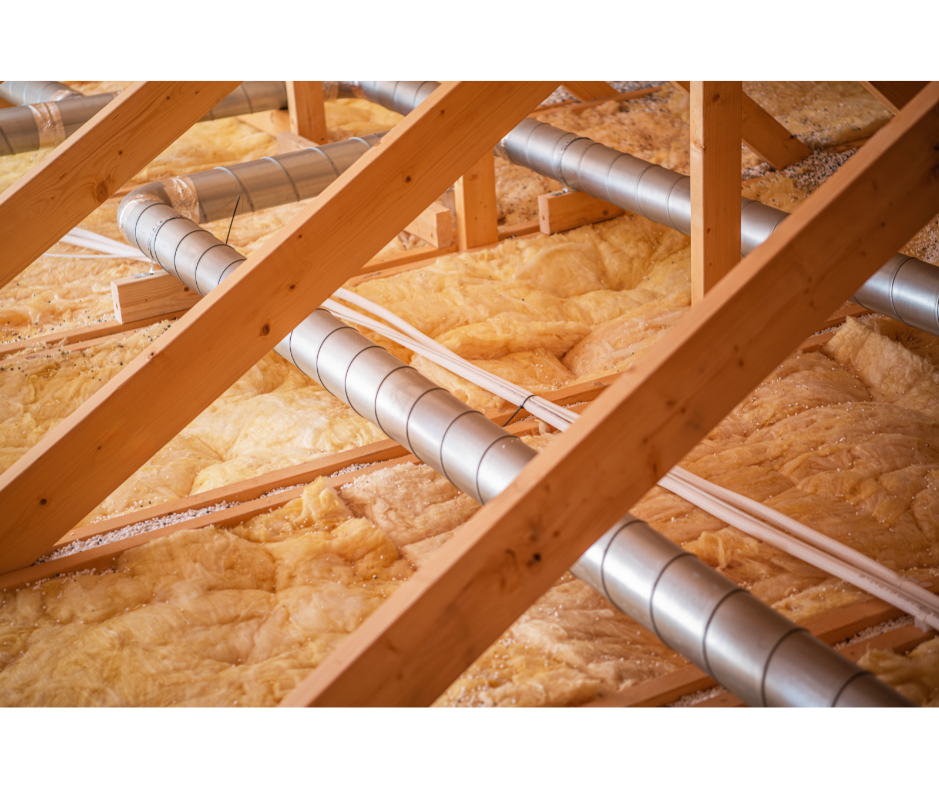
Insulation plays a crucial role in maintaining energy efficiency and comfort in homes, especially in the unique climate of the Okanagan. Understanding the lifespan of various insulation materials is essential for homeowners in this region to make informed decisions about replacements and upgrades. This article delves into the average lifespans of different insulation types, the factors that influence their durability in the Okanagan climate, and the signs indicating when replacement is necessary. By the end, you'll gain insights into how long insulation typically lasts before needing replacement, ensuring your Okanagan home remains energy-efficient and comfortable year-round.
What Is the Average Lifespan of Different Types of Insulation?
Different types of insulation materials have varying lifespans, which can significantly impact their effectiveness over time. Here’s a brief overview of the average lifespans for common insulation types, with consideration for the Okanagan's climate:
- Fiberglass Insulation: Typically lasts between 30 to 50 years, making it one of the most durable options available.
- Mineral Wool Insulation: Known for its longevity, mineral wool can last up to 75 years.
- Blown-in Cellulose Insulation: This type generally has a lifespan of around 20 to 30 years.
- Spray Polyurethane Foam: With proper installation, it can last between 15 to 30 years.
Understanding these averages helps Okanagan homeowners plan for future insulation needs and budget accordingly, especially given the region’s temperature fluctuations and seasonal moisture.
How Long Does Fiberglass Insulation Typically Last in the Okanagan?
Fiberglass insulation is a popular choice in the Okanagan due to its effectiveness and longevity. Typically, it lasts over 30 years, but with proper installation and maintenance, it can endure for up to 50 years. This durability is attributed to its resistance to moisture and pests, which are common threats to insulation integrity. However, in the Okanagan, where dry summers and wetter winters prevail, ensuring proper moisture barriers and ventilation is key to maximizing fiberglass insulation lifespan.
How Long Does Mineral Wool Insulation Typically Last in the Okanagan?
Mineral wool insulation is known for its exceptional longevity, often lasting up to 75 years. Its durability stems from its dense composition and resistance to fire, moisture, and pests. This makes it a reliable choice for long-term insulation needs in the Okanagan, where fire resistance is particularly valuable due to the region’s wildfire risks. Proper installation and maintenance can help maximize its lifespan, ensuring sustained energy efficiency and comfort in your home.
How Long Does Blown-in Cellulose Insulation Typically Last in the Okanagan?
Blown-in cellulose insulation generally has a lifespan of around 20 to 30 years. Its effectiveness can be influenced by factors such as moisture exposure and settling over time. In the Okanagan, where winter moisture and occasional spring rains are common, proper installation and moisture control are essential to maintain its insulating properties. Homeowners should monitor cellulose insulation regularly to ensure it continues to perform effectively.
How Long Does Spray Polyurethane Foam Typically Last in the Okanagan?
Spray polyurethane foam insulation can last between 15 to 30 years with proper installation. Its lifespan depends on environmental conditions and the quality of the application. While it provides excellent air sealing and thermal resistance, factors like UV exposure and temperature swings in the Okanagan can affect its durability. Proper protective coatings and professional installation are recommended to extend its lifespan.

What Are the Common Signs That Indicate Insulation Needs Replacing in the Okanagan?
Recognizing the signs that insulation needs replacement is vital for maintaining energy efficiency in Okanagan homes. Common indicators include:
- Soaring Energy Bills: An unreasonable increase in energy costs may suggest that insulation is no longer effective.
- Inconsistent Temperatures: Fluctuating indoor temperatures can indicate insulation failure.
- Drafts: Noticeable drafts in the home often point to gaps or deterioration in insulation.
- Visible Damage or Moisture: Signs of moisture or physical damage to insulation materials are clear indicators that replacement is necessary.
Being aware of these signs can help Okanagan homeowners take timely action to replace insulation and maintain comfort throughout the year.
How Does Moisture Damage Affect Insulation Performance in the Okanagan?
Moisture damage significantly impacts insulation performance by reducing its thermal resistance. When insulation becomes wet, it loses its ability to trap air, which is essential for maintaining temperature. This reduction in effectiveness can lead to increased energy costs as heating and cooling systems work harder to compensate for the loss of insulation performance. Additionally, moisture can promote mold growth, posing health risks to occupants. In the Okanagan, where winter snow and spring rains are common, controlling moisture is crucial for preserving insulation integrity.
How Do Moisture and Climate Conditions Reduce Insulation Durability in the Okanagan?
Moisture and climate conditions play a significant role in reducing insulation durability. The Okanagan experiences dry summers and wet winters, which can lead to moisture accumulation during colder months, diminishing thermal resistance and increasing the risk of mold growth. Additionally, temperature fluctuations between hot summers and cold winters can cause insulation materials to expand and contract, leading to potential damage over time. Homeowners should consider the Okanagan’s specific climate when selecting insulation materials and implement moisture control strategies to enhance durability.
What Maintenance Practices Can Extend Insulation Effectiveness in Okanagan Homes?
Implementing regular maintenance practices can significantly extend the effectiveness of insulation in the Okanagan. Key practices include:
- Regular Inspections: Periodic checks for signs of damage or moisture can help identify issues early.
- Air Sealing: Ensuring that all gaps and cracks are sealed can prevent air leaks and improve insulation performance.
- Moisture Control: Managing humidity levels in the home, especially during wet seasons, can protect insulation from moisture damage.
- Professional Maintenance: Engaging professionals familiar with the Okanagan climate for routine maintenance can ensure that insulation remains effective over time.
By following these practices, Okanagan homeowners can maximize the lifespan and effectiveness of their insulation materials, keeping their homes comfortable and energy-efficient throughout the year.
Ready to Upgrade Your Insulation?
If you suspect your insulation needs replacement, don’t wait to improve your home’s comfort and energy efficiency. Hire Okanagan Insulation for expert insulation upgrades tailored to the unique climate of the region. Take advantage of available grants to help offset the cost and make your home more energy-efficient today.