How to Prevent Ice Dams on Your Okanagan Home
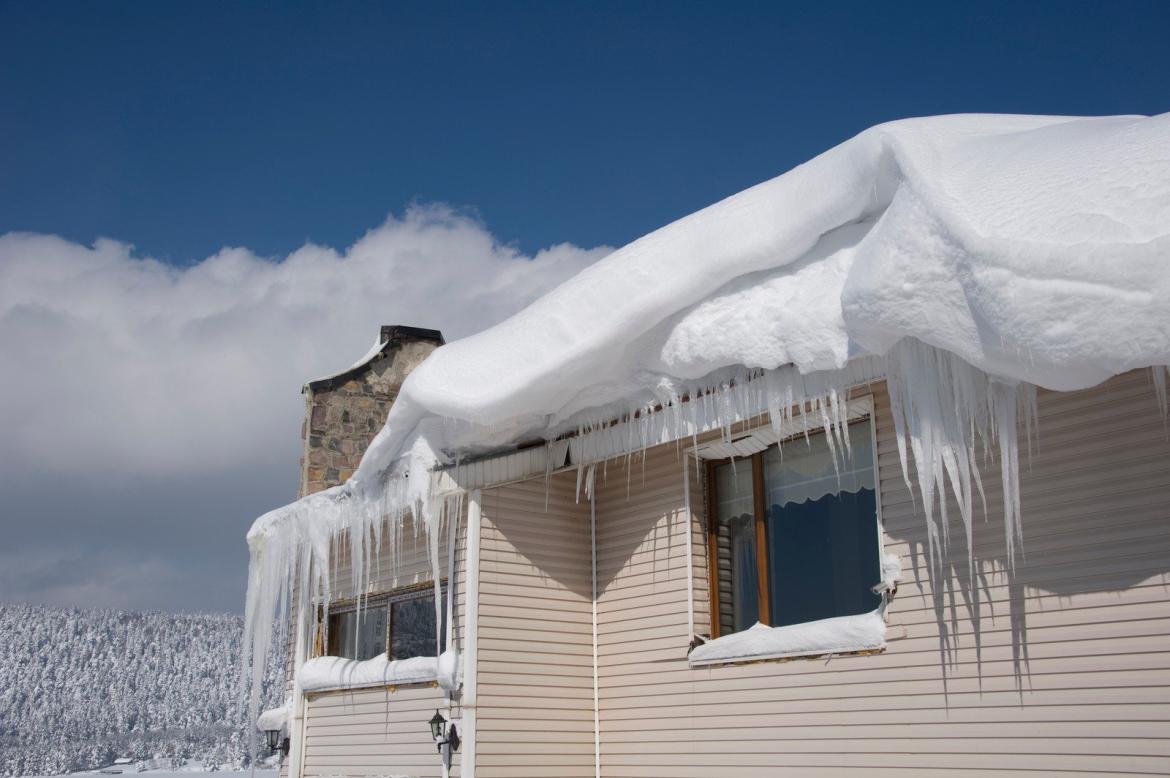
To prevent ice dams, you need a “cold roof.” It’s a simple concept: your roof's surface should stay the same temperature as the outside air.
You get there by first stopping heat from leaking into your attic with proper air sealing and insulation. Then, you make sure good ventilation clears out any warm air that still sneaks in. Hacking away at ice on your eaves is a temporary, damaging fix. The real, permanent solution is inside your home.
Understanding Why Ice Dams Form on Okanagan Roofs
Ice dams are not an uncommon sight from Kelowna to Vernon, but they aren't a normal part of winter. They’re a big, flashing sign that the heated air you're paying for is escaping your living space and getting trapped in your attic.
This escaped heat warms the underside of your roof deck. Even when it’s well below freezing outside, that warmth is enough to melt the snow on your roof from the bottom up.
This meltwater runs down the roof until it hits the cold edge—the eaves and gutters that hang past your house. Since there’s no attic heat under them, the water refreezes, creating a dam of ice.
The Cycle of Damage
As this repeats day after day, that dam gets bigger. Eventually, meltwater gets trapped behind it, forming a pool that backs up under your shingles. That’s when the trouble starts.
Water from an ice dam can cause serious and expensive problems:
- Leaks and Water Stains: Water finds its way into your attic, then down into your ceilings and walls, leaving ugly brown stains.
- Damaged Insulation: Once insulation gets wet, its R-value drops. It stops working and becomes a perfect spot for mould.
- Mould and Mildew Growth: Trapped moisture in your attic is exactly what mould needs to grow, hurting your home’s air quality.
- Structural Rot: If left unchecked, persistent moisture can lead to rot in your roof sheathing, trusses, and wall framing.
The Okanagan's climate—heavy snow followed by sunny days and freeze-thaw cycles—makes our homes especially prone to this. Chipping away at the ice treats the symptom, not the cause.
The Real Culprits Behind Ice Dams
An ice dam points to a failure in your home's thermal envelope. Understanding how to properly insulate for your region in the Central Okanagan is a crucial first step. The root causes are almost always an attic that’s too warm in the winter.
This unwanted warmth comes from three sources:
- Air Leaks: Small gaps around light fixtures, plumbing stacks, bathroom fans, and attic hatches act like chimneys, funnelling warm, moist air into the attic.
- Inadequate Insulation: If you don't have a thick, continuous blanket of insulation, heat will conduct right through your ceiling into the attic.
- Poor Ventilation: A poorly ventilated attic can’t get rid of the warm air that gets in. The trapped heat builds up and cooks the underside of your roof.
Tackling these three issues is the only way to end ice dams for good.
Stopping Heat Loss with Air Sealing and Insulation
The only permanent fix for ice dams is dealing with the warm attic. Your goal is to keep your attic the same temperature as the air outside. That means stopping heat from your house from getting up there.
This requires creating a solid barrier. Warm air in your living space is always trying to rise. It will sneak through any crack or unsealed opening, turning your attic into a warm zone that melts snow. Our first job is to hunt down and plug every one of those leaks.
Pinpointing the Worst Offenders
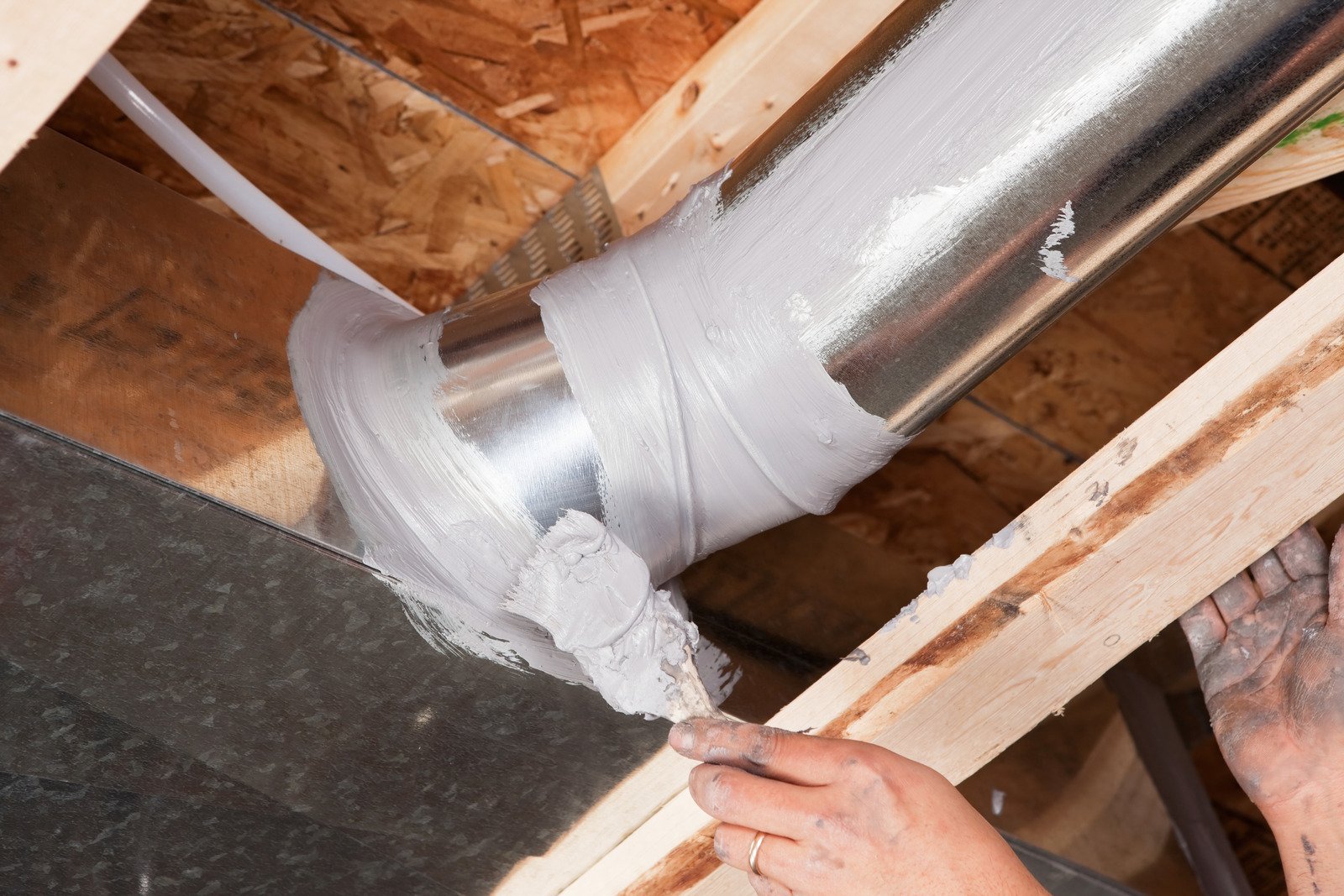
We know exactly where to look for these hidden heat chimneys. Certain spots in an attic are notorious for letting huge amounts of warm air escape. Our crews are trained to spot and seal these areas properly, creating an unbroken air barrier between your home and the attic.
Before we blow in new insulation, we have to tackle these common culprits.
Key Areas for Attic Air Sealing
| Leak Source | Why It's a Problem | OK Insulation's Method |
|---|---|---|
Plumbing Stacks & Vents |
Gaps around pipes are open channels for heat to pour into the attic. |
We use specialized fire-rated caulking to seal these penetrations completely. |
Recessed Pot Lights |
Older pot lights, especially non-IC-rated ones, are basically holes in your ceiling. |
We build and install insulated, airtight boxes around each fixture before insulating over them. |
Wiring Penetrations |
Each wire running through the ceiling creates a small but cumulative air leak. |
Every wire hole is meticulously sealed with expanding foam or caulk to stop airflow. |
Attic Hatches |
A poorly sealed attic hatch is like leaving a window open 24/7. |
We install rigid foam insulation on the hatch and add durable weatherstripping for an airtight seal. |
Once these pathways are sealed, the foundation is set for an effective insulation system.
Complete, uniform coverage is key. This eliminates thermal weak spots where heat could escape and cause localized melting.
With all air leaks plugged, we can blow in a deep layer of high-performance insulation. For the Okanagan climate, we aim for a modern building code standard of R-50 to R-60, which is a significant upgrade for most homes.
Creating a Powerful Thermal Barrier
This one-two punch of air sealing followed by proper insulation is the most reliable strategy. It keeps warm, conditioned air inside your home where it belongs. This is a proven building-science method used in every cold climate.
This two-step process is the heart of our professional attic upgrades. We focus on the details because that’s what creates a permanent solution. When you stop heat from getting into the attic, you stop the ice dam from forming.
Using Ventilation to Keep Your Roof Deck Cold
Think of insulation and air sealing as your primary defence against heat loss. Proper ventilation is the crucial backup system. It’s what keeps your roof cold even when small amounts of heat sneak through.
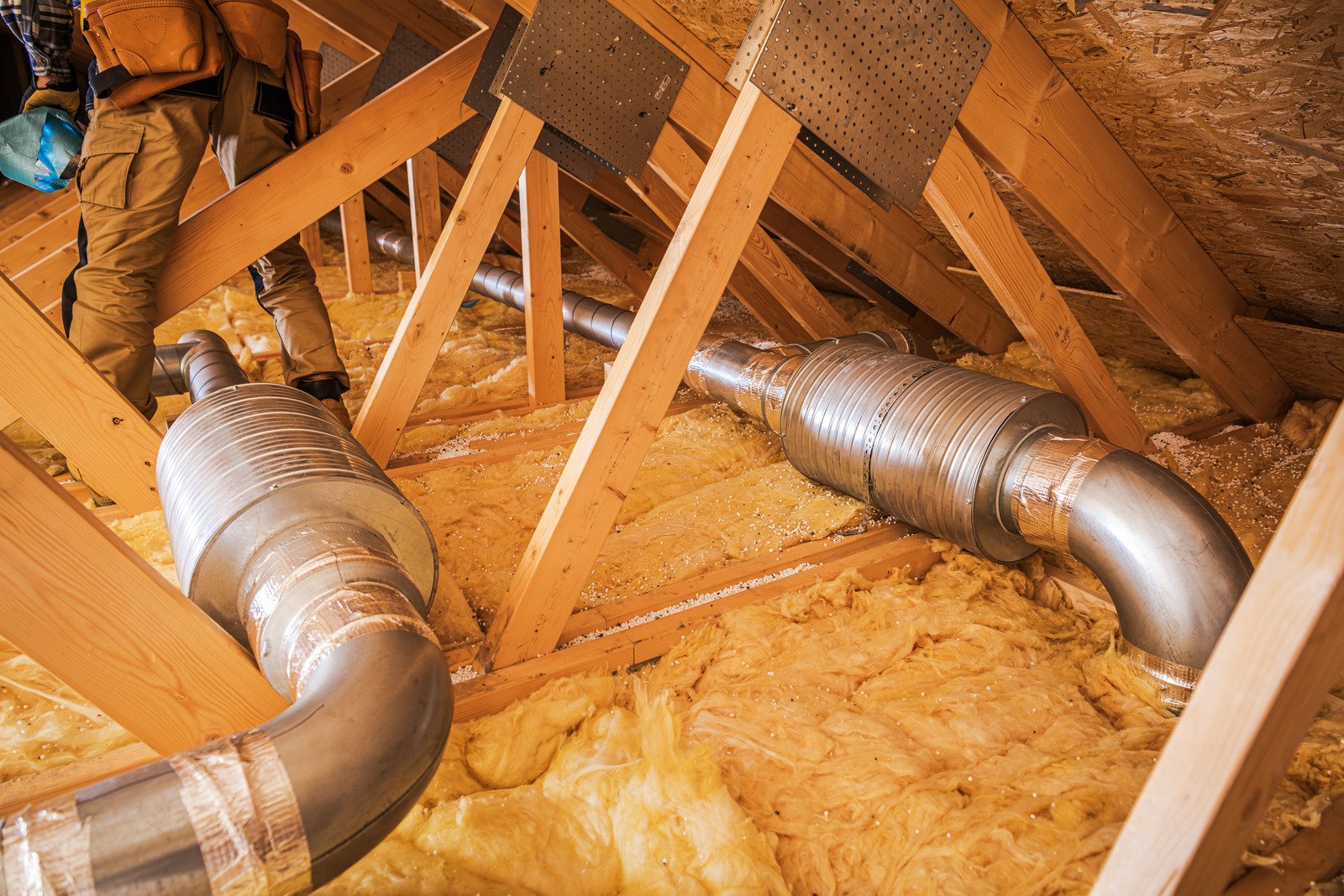
A well-ventilated attic works as a complete system. Cold, dry winter air comes in through vents at the lowest point of your roof (the soffits). It pushes warm, moist air out at the highest point (the ridge or roof vents).
This constant airflow acts like a rinse cycle for your attic. It flushes out any stray warm air before it can heat up the underside of your roof sheathing, keeping the entire surface cold and dry. That stops snow from melting where it shouldn't.
The Soffit Vent Problem We See All The Time
One of the most common mistakes we find in Okanagan homes is insulation blocking the soffit vents. When insulation is blown or stuffed tightly into the eaves, it chokes off the intake part of the ventilation system. Your attic can't breathe.
When that cool, incoming air is blocked, the whole system fails. Any heat that leaks into the attic gets trapped, creating warm spots on the roof deck that start melting snow. That's how you get ice dams.
A balanced ventilation system is one of the best things you can do for your home, year-round.
Benefits Beyond Ice Dam Prevention
In our hot Okanagan summers, attics can reach scorching temperatures, sometimes climbing past 60°C. That intense heat radiates down into your living space, forcing your air conditioner to work overtime.
Proper ventilation provides a massive benefit:
- It flushes out superheated air during the summer, protecting your shingles.
- It reduces the cooling load on your home, which means lower energy bills.
- It manages moisture buildup all year, which is critical for preventing mould and rot.
This all works with other building envelope components. Good ventilation is part of the same system that includes your home's vapour barrier. You can learn more in our guide on everything you need to know about vapour barrier installation.
By ensuring your attic has a clear, balanced path for air to move, we help protect your home from both winter ice dams and summer heat damage. It’s fundamental to a high-performing roof system.
Common Questions About Preventing Ice Dams
We get a lot of questions from homeowners across the Okanagan who are fed up with ice dams. Here are straightforward answers to the most common ones.
Will a New Metal Roof Fix My Ice Dam Problem?
No, not by itself. A new metal roof is great for shedding snow, and a quality underlayment adds protection against water getting in. But a new roof doesn't solve the root cause: heat pouring from your house into the attic.
Even with a slick metal roof, if your attic is warm, it's still going to melt the bottom layer of snow. That meltwater runs down to the cold roof edge, hits the freezing air, and you've got an ice dam again.
The real solution is to fix the attic first. By properly air sealing and insulating, you keep the entire roof deck cold. That’s what prevents snow from melting in the first place.
How Much Does It Cost to Fix Ice Dams Permanently?
The cost for a permanent fix depends on your home. There's no one-size-fits-all price. The final cost is shaped by the size of your attic, its current condition, and how much air sealing work is needed.
The good news is that a proper attic insulation upgrade is a smart investment. The energy savings deliver a great return over time, not including potential rebates from programs like CleanBC or FortisBC. After a thorough inspection, we provide a detailed, no-obligation quote so you see the exact cost and scope of work needed to solve the problem for good.
Can I Just Add More Insulation Over the Old Stuff?
You can, but it’s critical to do the prep work first. The most important step before adding new insulation is to meticulously air seal the attic floor. Piling a thick new blanket of insulation over existing air leaks is a recipe for problems.
When you bury air leaks, you trap warm, moist air underneath the new insulation. This creates the perfect environment for condensation, which can lead to mould, rot, and poor insulation performance. Our process always starts with sealing every one of these bypasses before we blow in any new insulation. It's the only way to ensure the whole system works.
How Long Does the Installation Process Take?
For most homes in the Okanagan, a complete attic air sealing and insulation upgrade is a one-day job. We know your time is valuable, so our crews work efficiently to minimize disruption.
Our team handles everything. We do all the sealing and insulating, and perform a thorough cleanup when we're done. You can leave for work in the morning and come home to a more comfortable, energy-efficient house—with a permanent solution to your ice dam worries.
Ready to stop worrying about ice dams for good? The team at OK Insulation can provide a professional attic assessment to identify the root cause of your ice problems and recommend a permanent solution.